
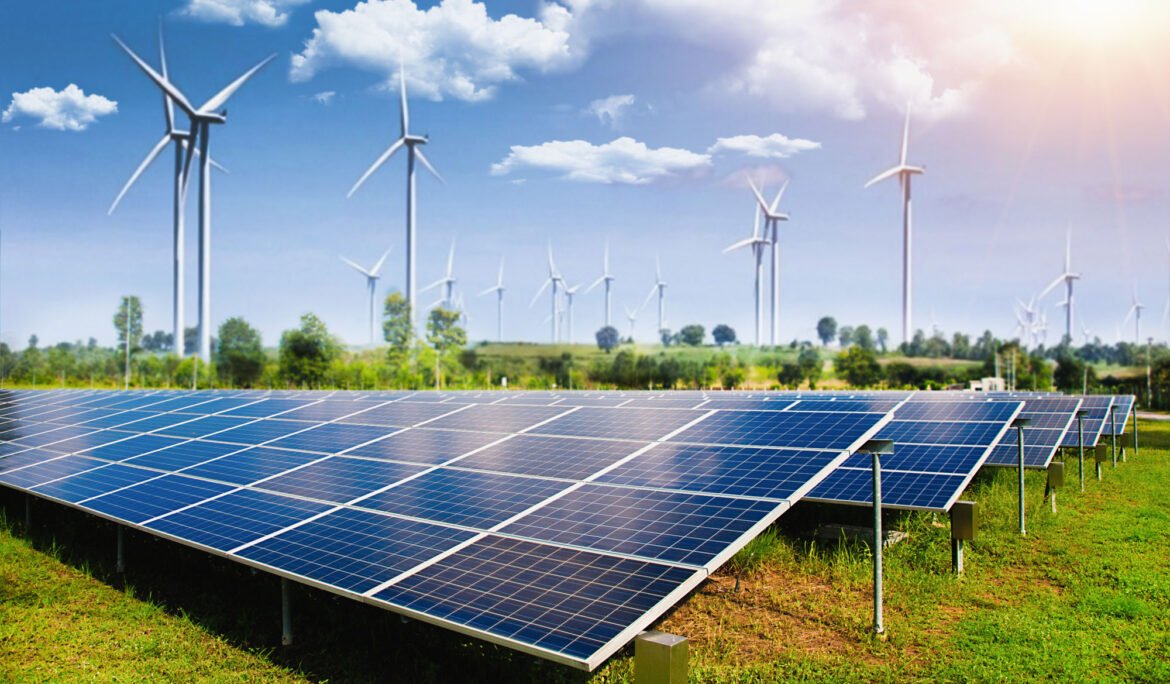
The cost of solar panels has decreased over many years, making renewable energy more affordable for homeowners, businesses and utility-scale developers. There’s been a definite turnaround in the market, though. Solar prices are rising in almost all key markets, due to supply chain changes, manufacturing cost increases, changing trade policies and rising global demand. This is worrying initially, but the potential for solar energy is great in the long term.
In this Post, we delve into the reasons behind the increasing cost of solar energy and its implications for businesses, investors, and consumers.
What is causing the cost of solar energy to rise?
Years of falling manufacturing costs and increasing production efficiency have been advantageous to the solar industry. However, over the past few years, there have been several factors that have turned things around.
-
Rising Manufacturing Costs
The cost of producing solar modules has increased due to higher prices for essential raw materials such as polysilicon, silver, glass, and aluminum. The price of these materials can significantly affect the cost of photovoltaic (PV) modules, and their prices are subject to fluctuations.
-
Global Trade Policies changes
New tariffs and import restrictions, plus domestic manufacturing incentives, are being put in place worldwide. Such measures are meant to help local industries, but can at the same time raise the cost of imported solar products. Recent policy changes in major markets have helped to drive prices up for developers and installers.
-
Strong Global Demand
To meet carbon emission reduction targets and enhance energy security, countries are speeding up their clean energy targets. Solar PV demand is growing stronger than it is being met in certain areas, with demand expected to continue to outgrow supply as more residential, commercial, and industrial customers turn to solar to help meet their energy demands.
-
Supply Chain Adjustments
While supply chains are more stable than in past years, transport prices and logistical issues remain a factor in price. In addition, manufacturers are paying more attention to sustainable production and quality, which can also drive up manufacturing costs
Impact on Solar Projects
New solar projects may require a higher up-front investment due to higher module prices. Project budgets may need to be adjusted for developers and businesses that are considering doing a large-scale installation may have slightly longer payback periods.
But it is worth noting that over the life of the solar technology, significant savings can still be achieved. In the long term, it is quite clear that electricity produced by solar systems is still much cheaper than using only conventional energy sources.
Why Solar Still is Economically Viable.
Solar is still one of the most promising renewable energy investments despite recent hikes in costs.
Some of the benefits are:
- Improve system lifetime cost of electricity.
- Foiling the possibility of utility rate hikes.Blocking utility rate increases.
- Reduced carbon emissions
- Greater energy independence
- A long life with low maintenance requirements.
Currently solar panels are more effective than old solar panels which means that people can get more electricity from the same space.
Opportunities for Businesses
It is not necessarily wise to postpone investments in solar energy. It may not always yield maximum returns to wait for electricity prices to fall, particularly when electricity tariffs are still increasing. Installing solar systems is an increasing trend for many organizations to ensure long-term savings on their operations and enhance their sustainability.
By collaborating with qualified renewable energy experts, companies can make informed decisions on suitable technology, system design optimization, and ensure a strong return on investment, even in a dynamic market environment.
What’s Next for the Solar Market?
The industry is poised for further advancements in solar panel production, energy storage solutions, and grid integration. The market is expected to be more stable in the future due to the development of production capacity and technological advances; however, there will be short-term price volatility. The shift towards renewables as key energy solutions is ongoing, with global investments in renewables remaining strong.
Conclusion
While solar prices have risen recently, this is because of a changing global energy landscape, not a loss in value of renewable energy. The increase in demand, changing policies, increase in raw material prices and the changes in supply chain are all driving up prices in international markets.
Solar power remains a great long-term investment for businesses and homeowners, not only for its financial savings, but also its environmental impact and energy independence. Having a reliable renewable energy partner such as Sekhmet Energy India guarantees that your solar systems offer optimal performance and ROI, along with expert guidance and solutions that are future-proof.